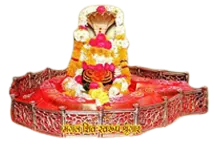
Kaal Sarp Dosh Puja in Ujjain
Performed by the pandit ji of Mangal Nath Mandir on the bank of the Kshipra, in your own name and gotra, following the vidhi for the particular type of Kaal Sarp yog present in the kundli.
What Kaal Sarp yog means
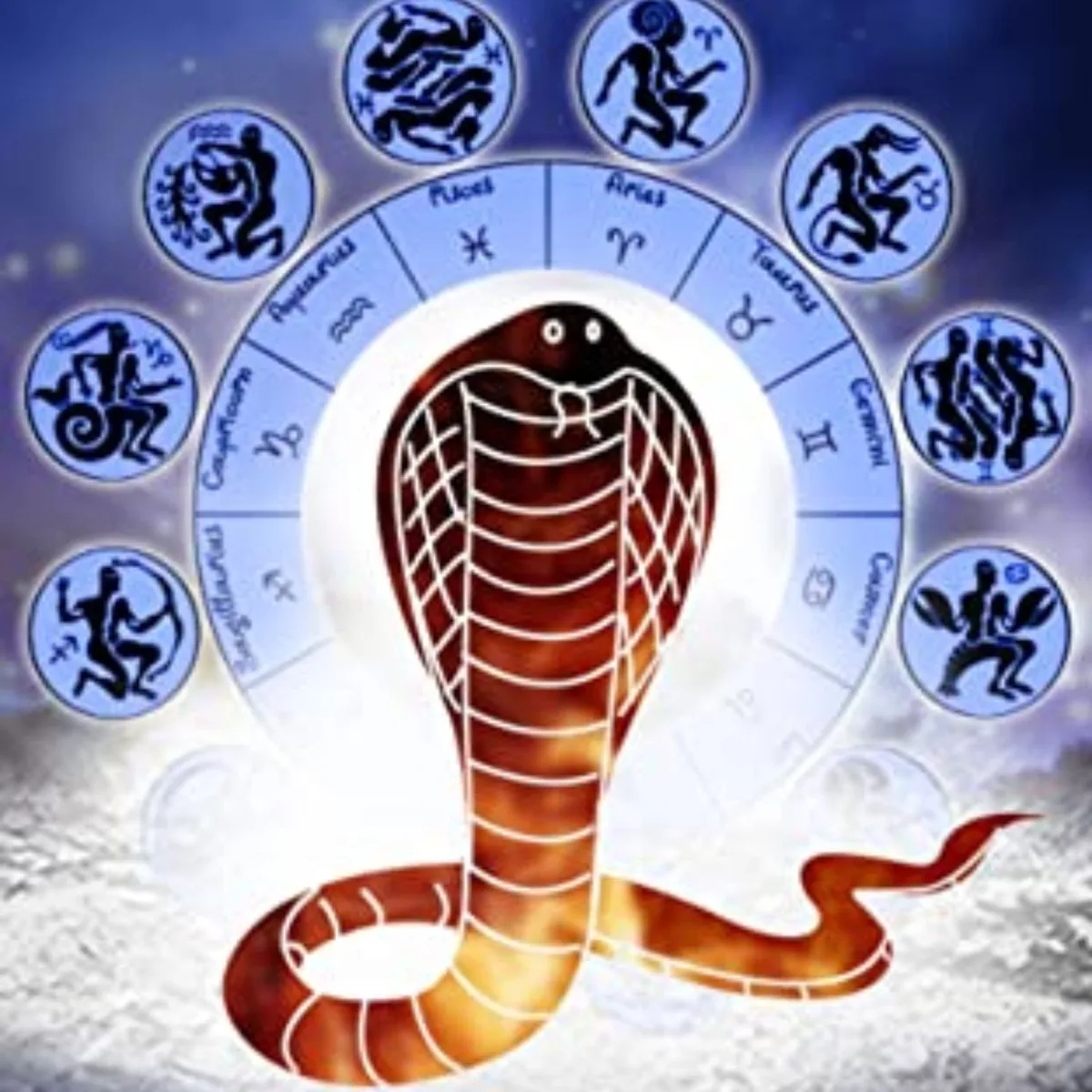
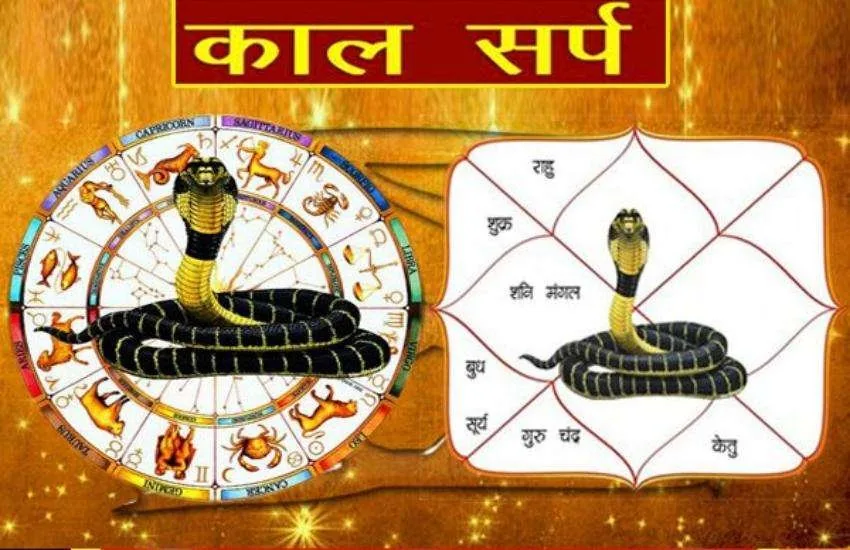
In jyotish, Kaal Sarp yog — also called Kaal Sarp dosh — is said to form when every graha of the kundli falls on one side, between Rahu and Ketu. Rahu and Ketu are the chhaya grahas, the shadow points, and when the remaining grahas are enclosed between them the tradition reads the kundli as carrying this yog.
Its effect is not read uniformly. Which houses Rahu and Ketu occupy determines the type of Kaal Sarp yog and the area of life the tradition associates it with, and the strength of the other grahas modifies the reading considerably. For this reason the kundli is examined by an experienced jyotishi before any anushthan is settled on.
काल सर्प दोष क्या है
ज्योतिष में काल सर्प दोष उस स्थिति को कहा जाता है जब कुंडली के समस्त ग्रह राहु और केतु के मध्य आ जाते हैं। राहु एवं केतु छाया ग्रह माने गए हैं, और जब शेष ग्रह इनके बीच स्थित हों तब परंपरा में इसे काल सर्प योग कहा जाता है।
इसका प्रभाव एक समान नहीं माना जाता। राहु और केतु किन भावों में स्थित हैं, इसी आधार पर काल सर्प दोष का प्रकार निर्धारित होता है। उज्जैन में क्षिप्रा तट पर यह अनुष्ठान कराने की परंपरा प्राचीन है, क्योंकि यहाँ स्नान एवं तर्पण की विधि सहज रूप से संपन्न हो जाती है।
The twelve types of Kaal Sarp yog
Twelve types are traditionally counted, according to the position of Rahu and Ketu in the kundli:
- Anant Kaal Sarp
- Kulik Kaal Sarp
- Vasuki Kaal Sarp
- Shankhpal Kaal Sarp
- Padma Kaal Sarp
- Mahapadma Kaal Sarp
- Takshak Kaal Sarp
- Karkotak Kaal Sarp
- Shankhachud Kaal Sarp
- Ghatak Kaal Sarp
- Vishdhar Kaal Sarp
- Sheshnag Kaal Sarp
The vidhi followed at the temple covers each of these, the specific anushthan being settled once the kundli has been examined.
How the anushthan is performed
- Sankalp in the yajman’s own name and gotra.
- Snan and tarpan at the Kshipra where the vidhi calls for it.
- Rahu–Ketu mantra jaap, including the beej mantra of each.
- Naag pujan and the offerings prescribed for the type of Kaal Sarp yog identified.
- Havan with the ahuti laid down in the vidhi.
- Aarti and prasad to conclude.
The anushthan generally runs between two and three hours, within the temple’s puja window of 7:00 AM to 3:00 PM.
Please note. The anushthan is performed as a matter of faith and shraddha according to traditional Vedic vidhi. No cure, remedy or specific worldly outcome is claimed or guaranteed.
Booking
Call +91 9826690556 with the yajman’s name, gotra and birth details so that the type of Kaal Sarp yog can be identified and the correct vidhi settled. The pandit ji will then confirm the muhurat.
Kaal Sarp Dosh Puja — frequently asked
What is Kaal Sarp Dosh?
In jyotish, Kaal Sarp yog is said to form when all the grahas of a kundli fall between Rahu and Ketu. The tradition associates it with obstruction and delay across different areas of life, the effect depending on which houses Rahu and Ketu occupy.
How many types of Kaal Sarp Dosh are there?
Twelve are traditionally counted, according to the position of Rahu and Ketu — Anant, Kulik, Vasuki, Shankhpal, Padma, Mahapadma, Takshak, Karkotak, Shankhachud, Ghatak, Vishdhar and Sheshnag. The vidhi followed at the temple covers each of them.
Why is Kaal Sarp Dosh Puja performed at Ujjain?
Ujjain holds an old place in the jyotish tradition as the city from which planetary positions were reckoned, and the ghats of the Kshipra permit the snan and tarpan that accompany the anushthan. Families have long come here for Kaal Sarp puja for these reasons.
How long does the puja take?
The anushthan generally runs between two and three hours, depending on the type of Kaal Sarp yog in the kundli and the accompanying rites.
What is needed to book?
The yajman’s full name and gotra, and the birth details — date, time and place — so that the type of Kaal Sarp yog can be identified. Call +91 9826690556 to speak to the temple pandit ji.